
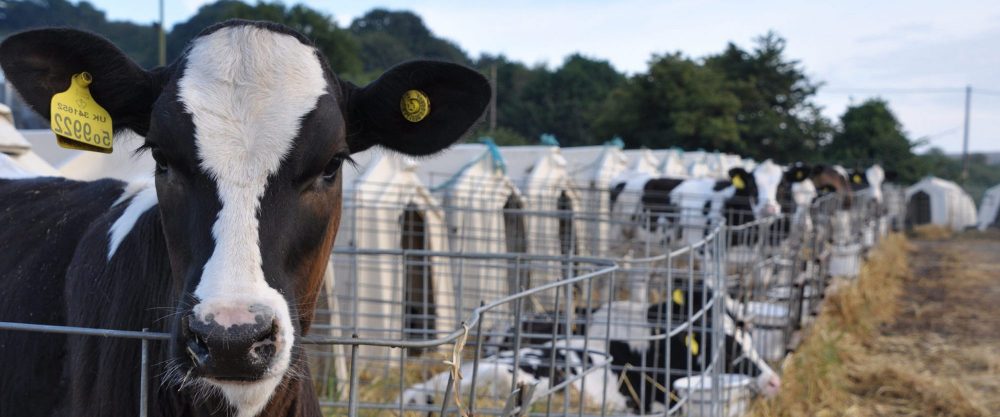
Suffering in the dairy industry
New investigation reveals violence and neglect on UK dairy farm
Watch the investigationDairy's Dark Secret
Cows in the dairy industry suffer their entire lives. From the moment they enter this world they are treated like commodities and often develop painful medical conditions.
Just like humans, cows only produce milk for their baby. In order for us to drink their milk, the calf is removed from the mother shortly after birth. Cows are forcibly impregnated every year, putting her and her calves through a cycle of cruelty that ends with their slaughter.
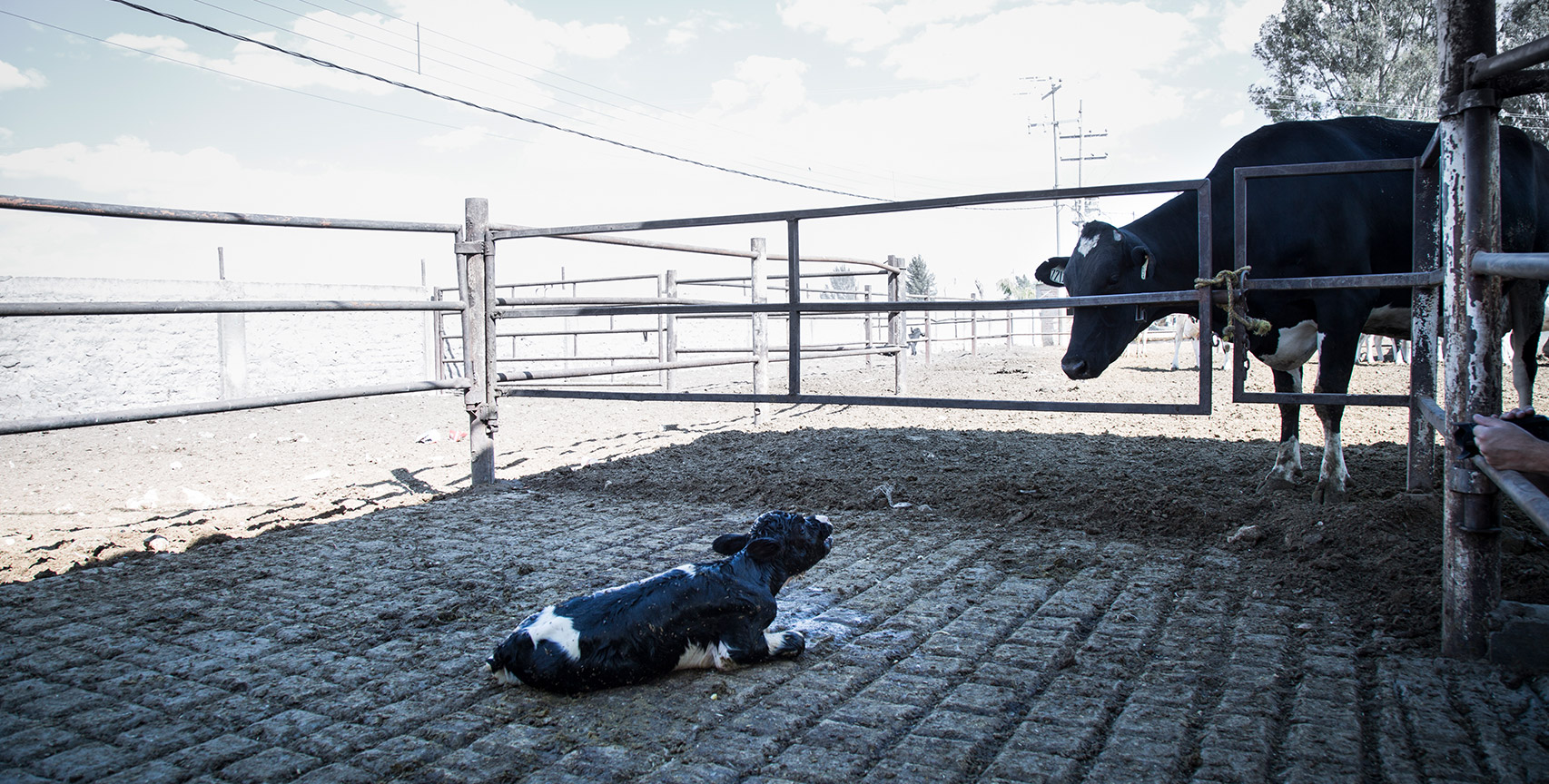
Broken Families
Much like humans, cows have strong maternal instincts. Sadly, a mother’s bond with her calf has no place on dairy farms. Shortly after birth, calves are dragged away from their mother – often never to see her again.
A cow will be put through this painful process every year of her adult life. The milk she produces for her calf is instead taken from her and sold.
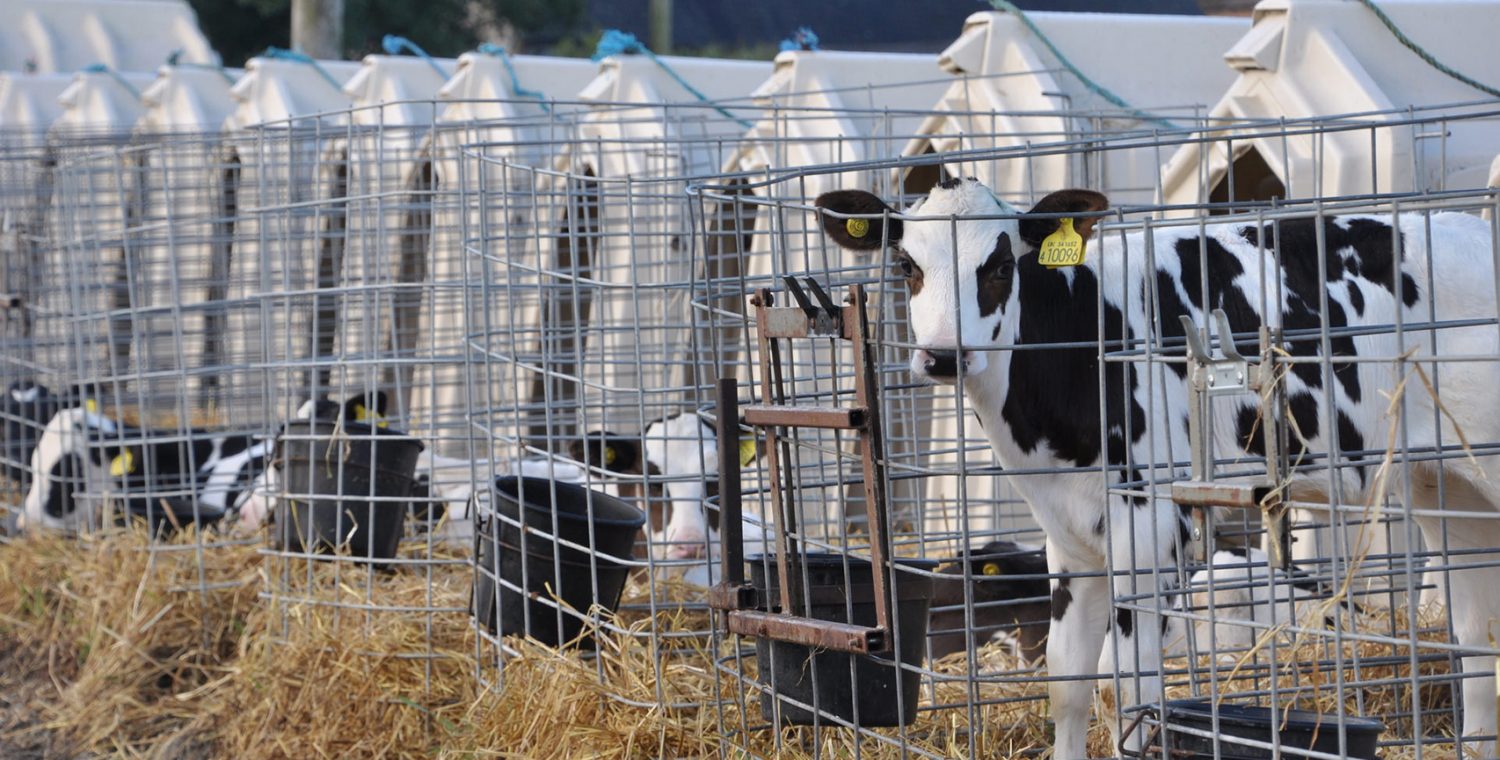
CONFINED ALONE
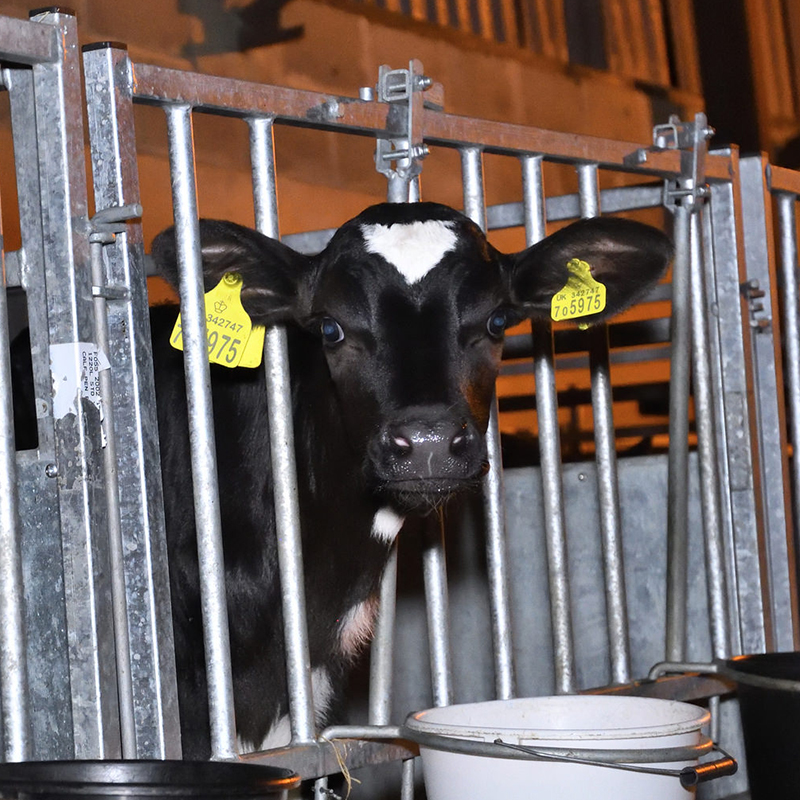
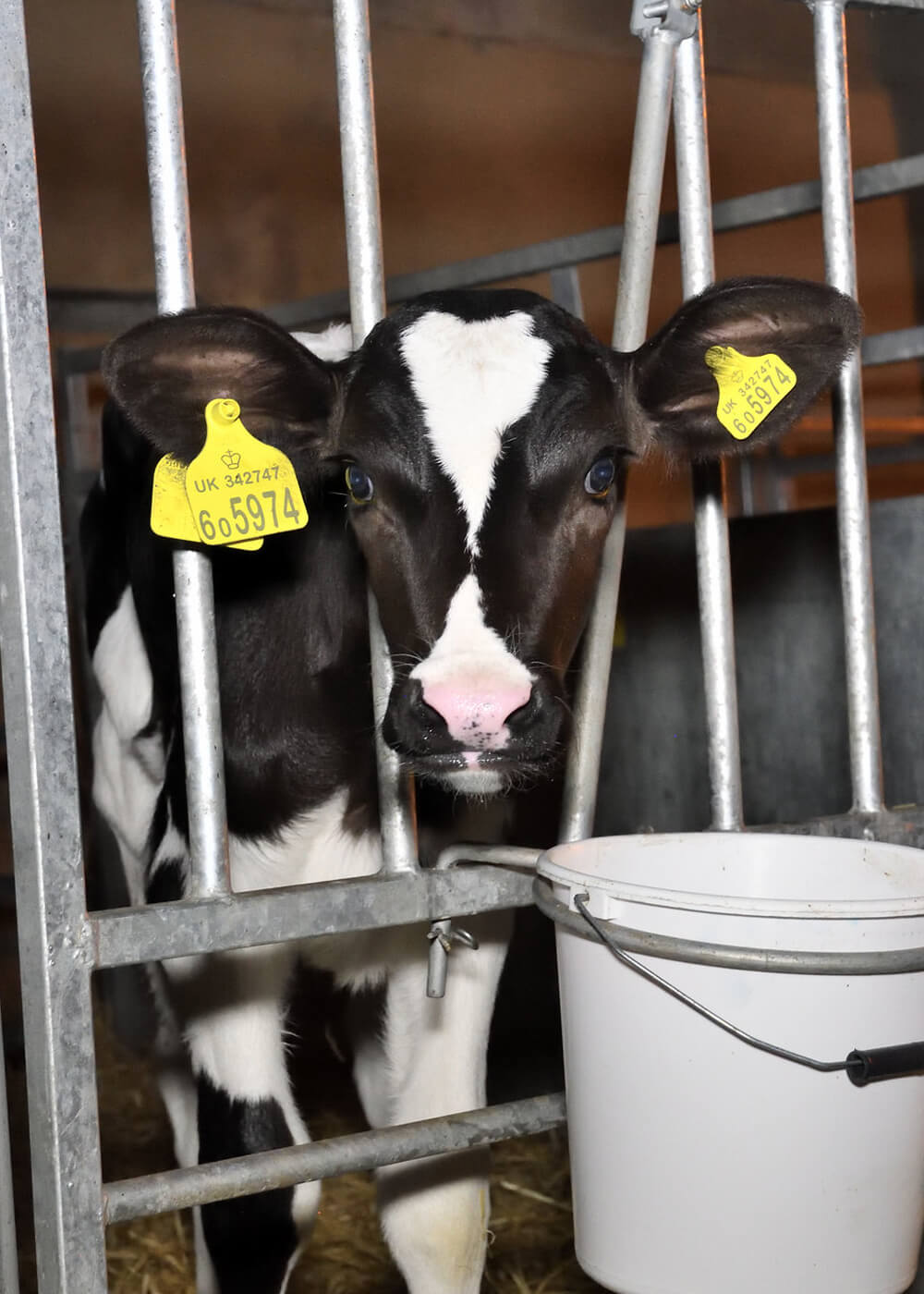
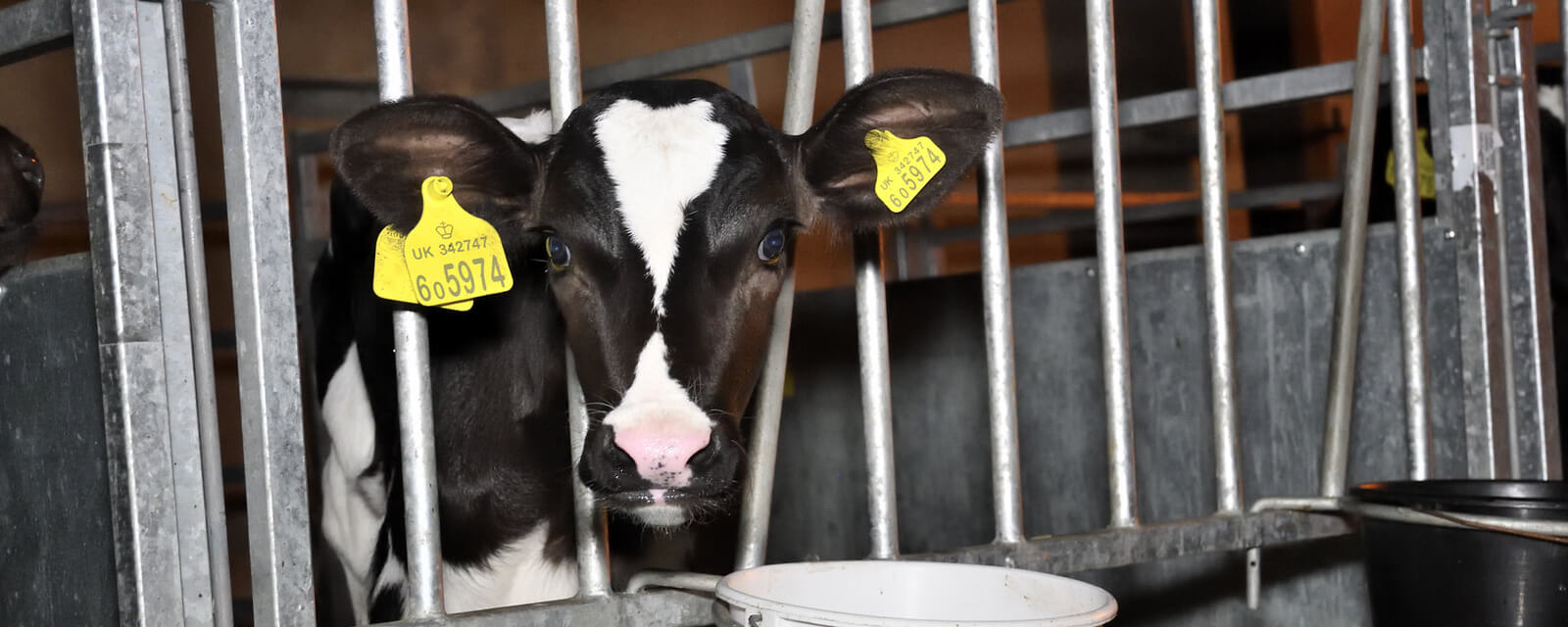
After being torn away from their mothers, calves will spend much of their lives in extreme confinement. In fact, most will spend the first 2 months of life confined in lonely barren hutches, fed a diet of milk replacer while humans drink the milk intended for them.
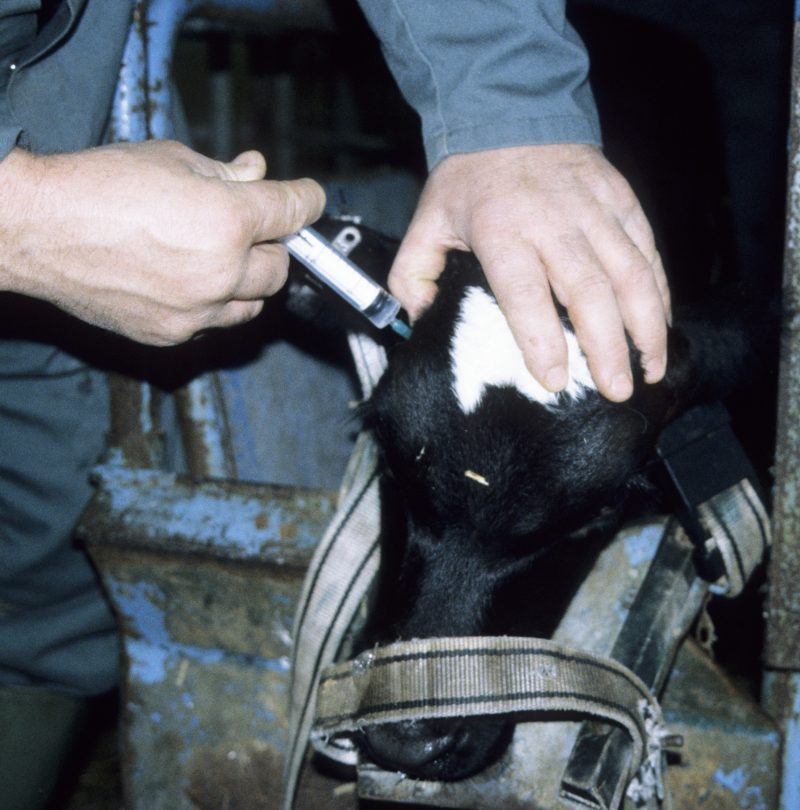
Painful Mutilations
As cows get older, they can undergo painful mutilations:
Disbudding: Calves have their horn buds removed using a hot iron, where a local anaesthetic is required (or by chemical cauterisation).
Extra nipple removal: Female calves are occasionally born with an extra teat. The farmer will normally remove it with scissors or a blade. In the UK, an anaesthetic must be used if the calf is 3 months old or over, however pain relief is not usually given.
Brutally killed
After a few years of a constant cycle of pregnancy and lactation, a cow’s milk production declines. Cows in the dairy industry face the same fate as those in the meat industry. They are killed and their flesh is sold as meat. No cow is allowed to live out her natural lifespan of up to 25 years.
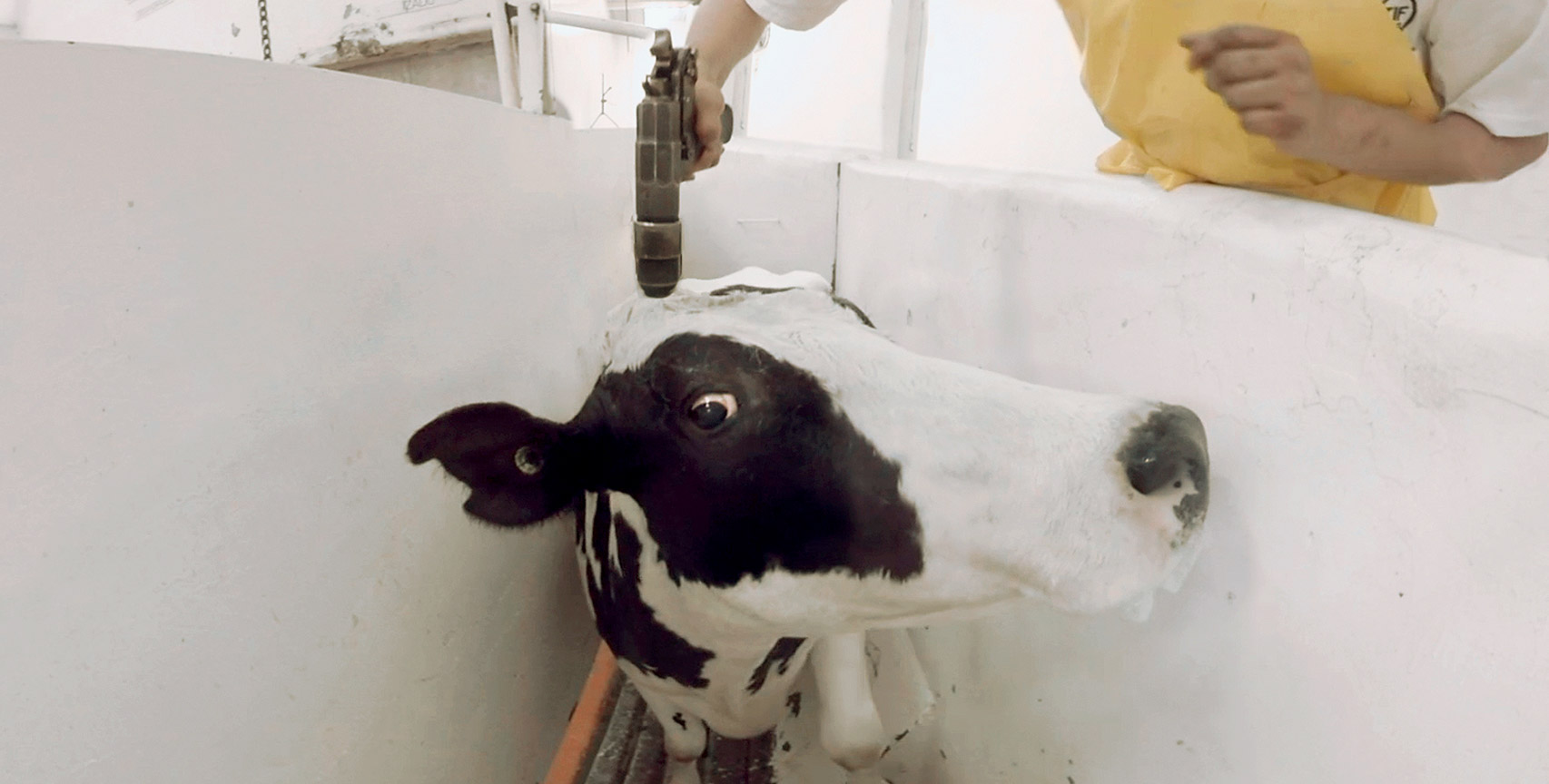
After being transported to the slaughterhouse cows are forced into stun boxes. Inside these chambers, they are shot in the head, a process meant to render them unconscious. However, it’s not always effective and many cows are still conscious when they have their throats slit.
By the numbers
Relevant campaigns
Cruelty is standard practice on dairy farms. The public deserves to know the reality inside this secretive industry. Animal Equality conducts investigations and education campaigns that help reduce animal suffering.
EXTREME VIOLENCE ON DAIRY FARM
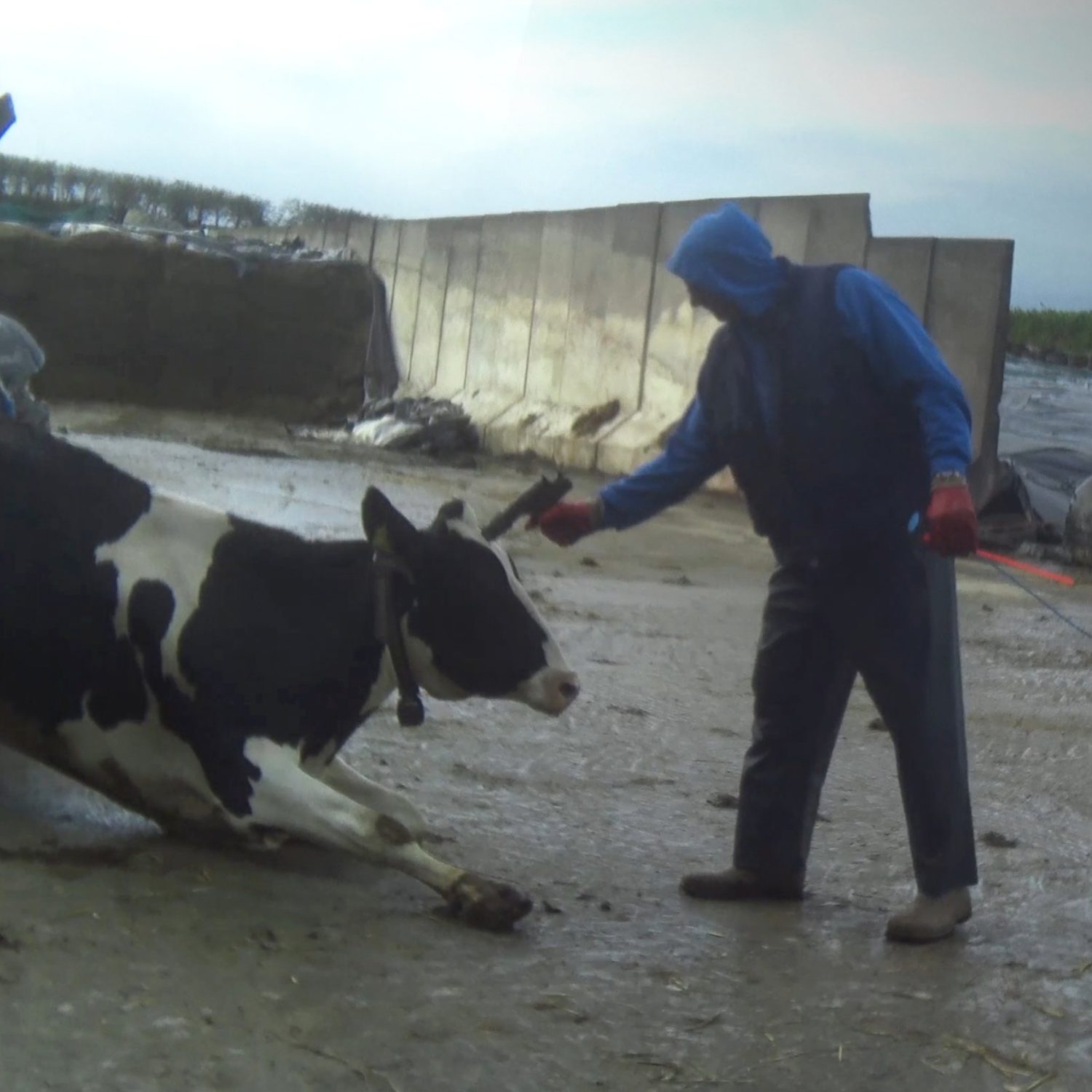
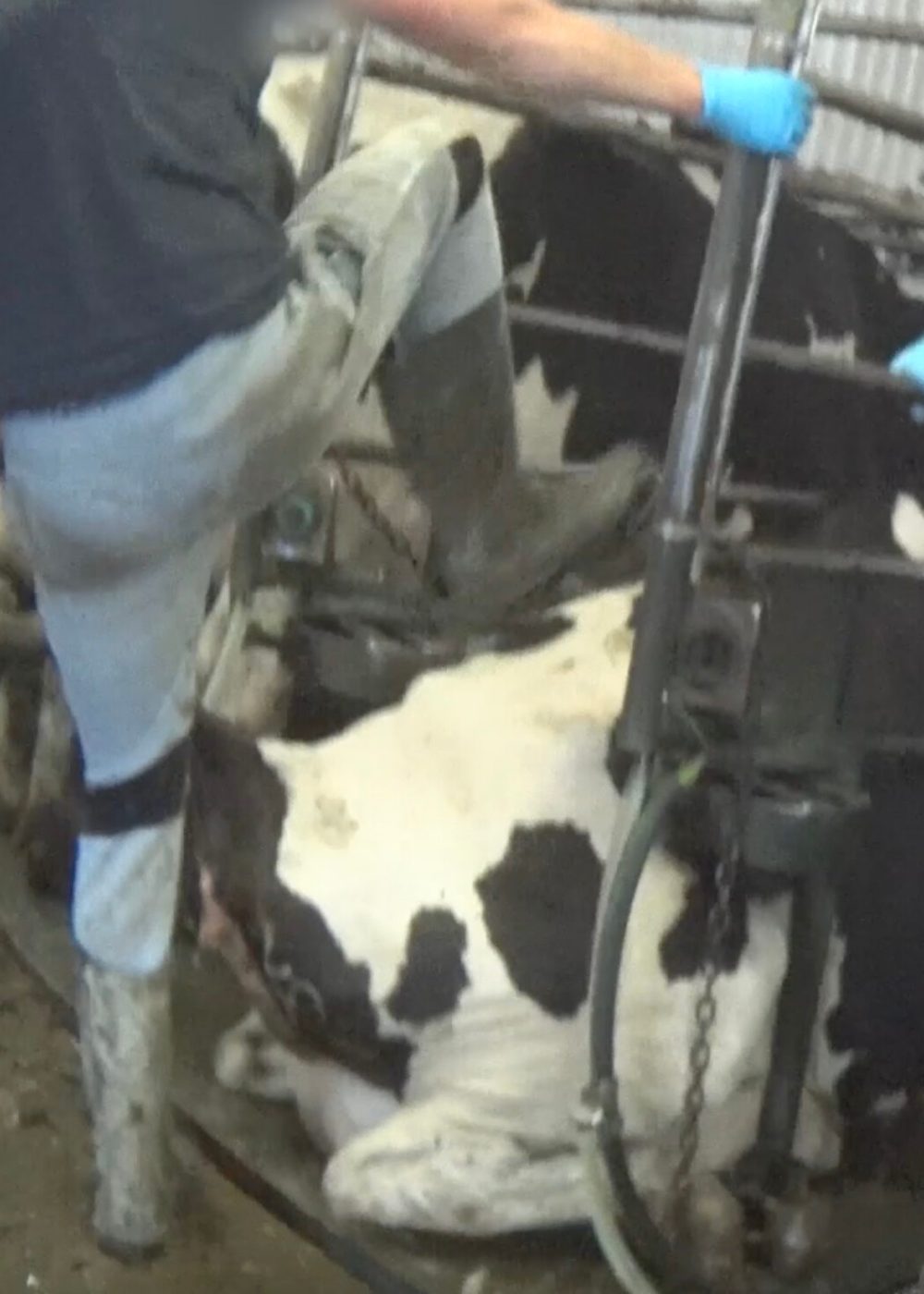
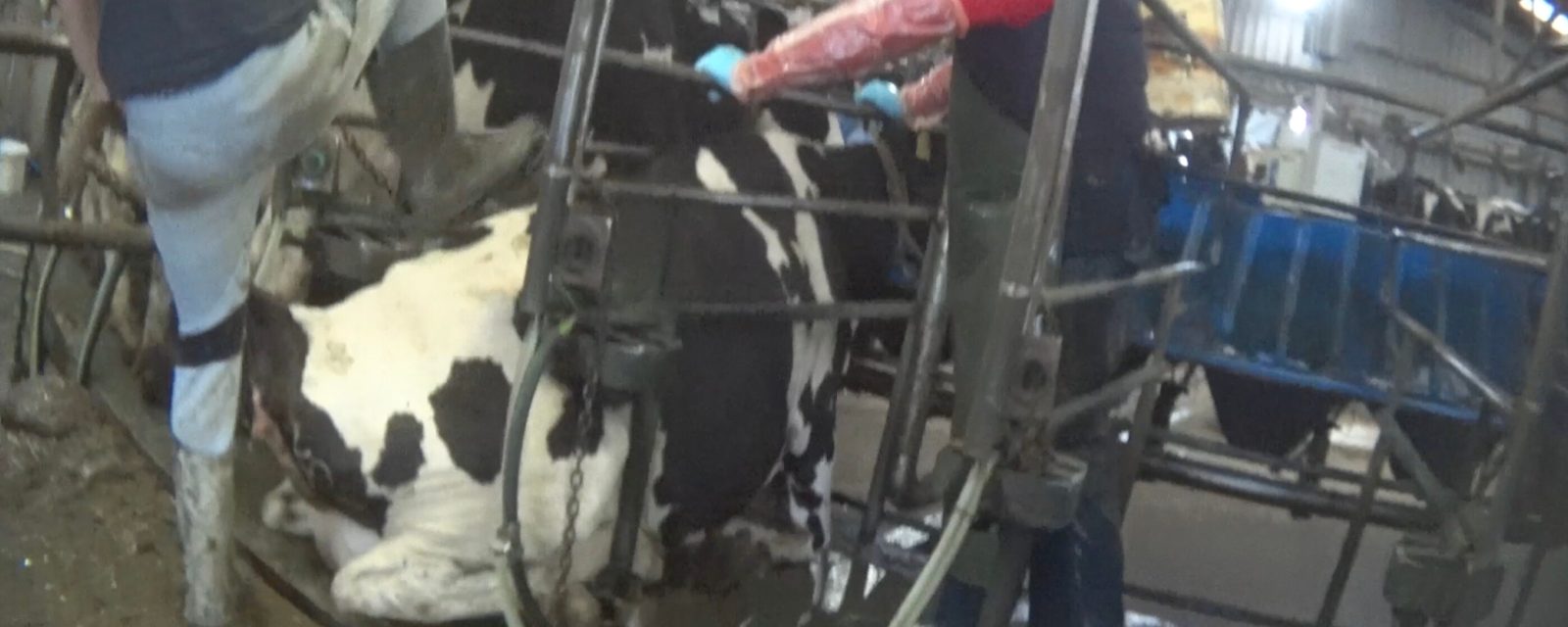
Covert filming by an Animal Equality investigator has revealed disturbing undercover footage of deliberate violence and neglect on Madox Farm, a large dairy farm in Carmarthenshire, South Wales. The troubling scenes include workers kicking and punching cows in the face and stomach, and hitting them with metal shovels. The footage was broadcast to millions of people on BBC One’s Panorama.
ORGANIC DAIRY FARM EXPOSED
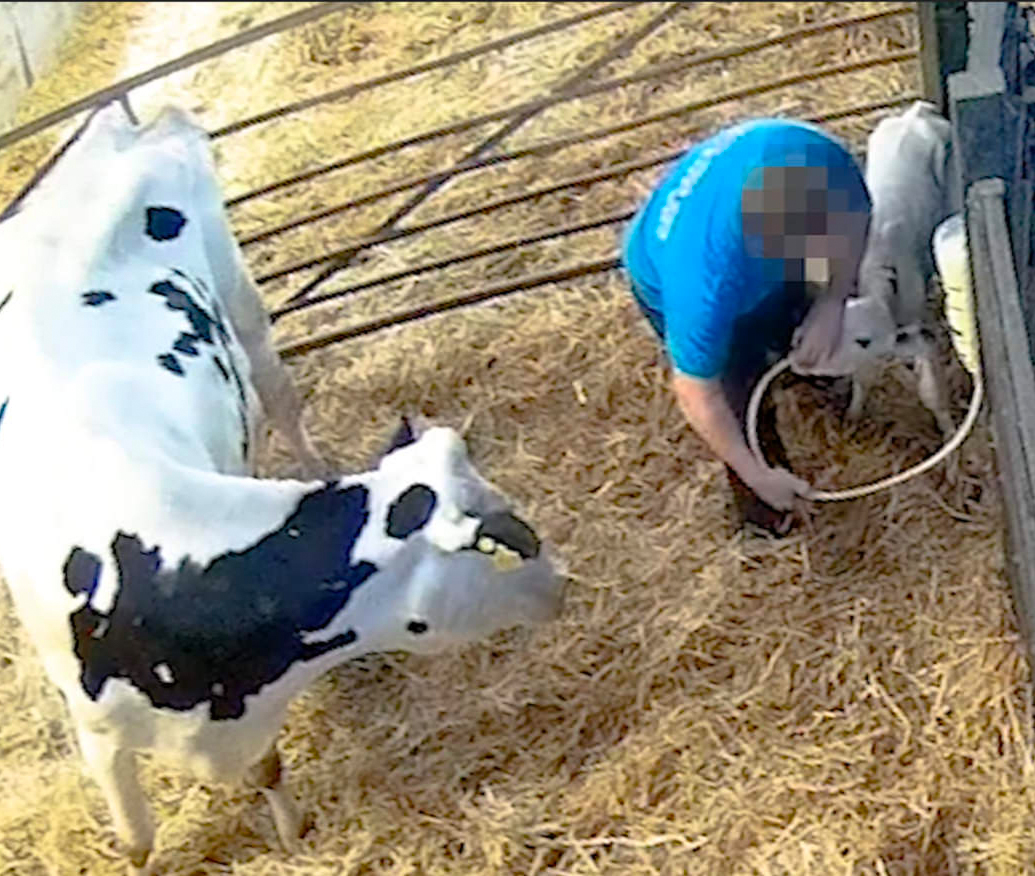
Animal Equality’s investigation on a Soil Association-assured dairy in Somerset revealed distressed newborn calves being brutally handled and force-fed while their mothers looked on helplessly. Far from the idyllic image of organic dairy farming, scenes of tiny babies being stood on, dragged by the back legs, and slapped in the face shocked consumers.
Beyond the cruelty
Cruel dairy has devastating effects on the environment and can be damaging to our health.
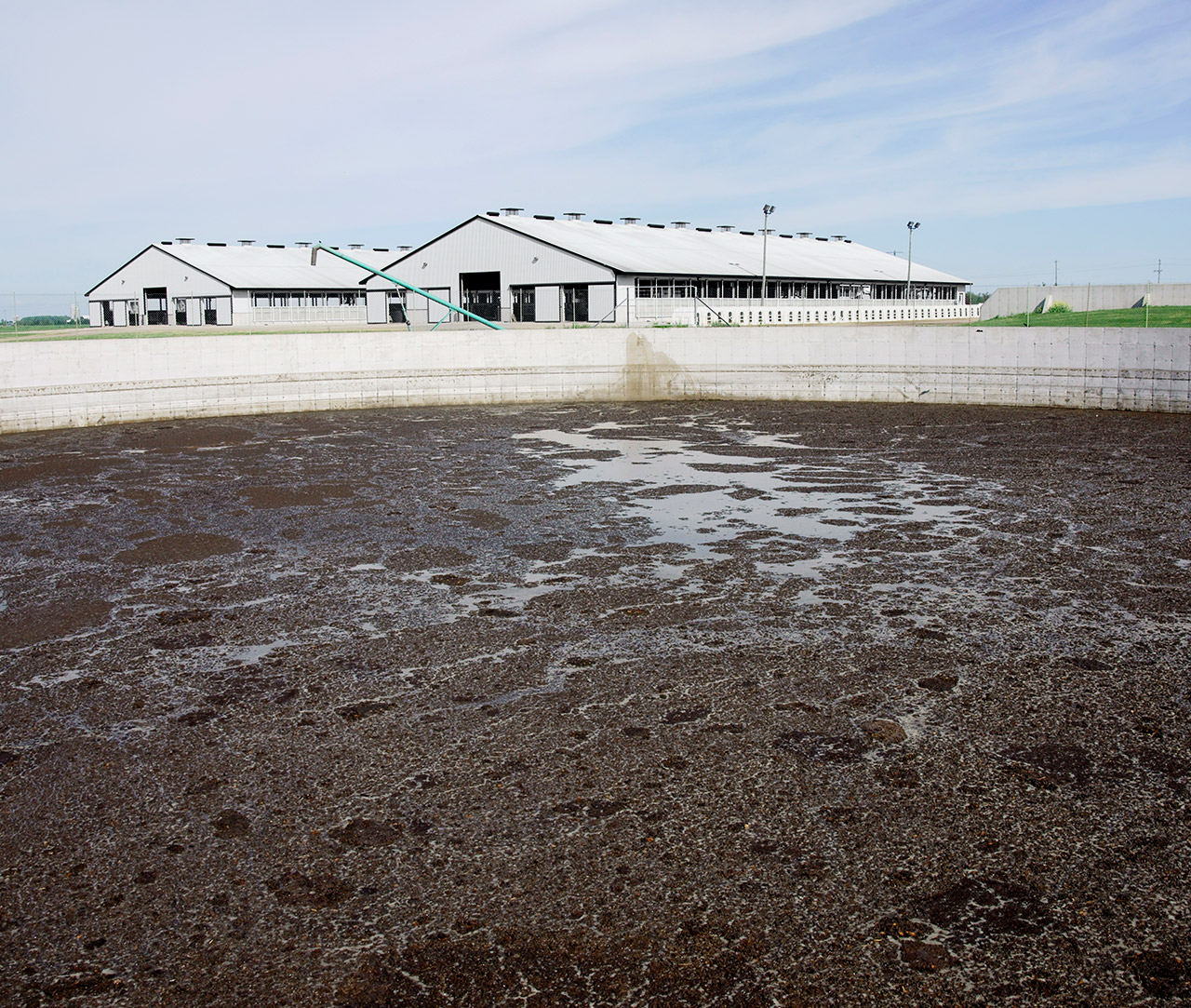
Dairy and the environment
Raising cows for their milk emits toxic greenhouse gases – namely methane, nitrous oxide and carbon dioxide – into the atmosphere. Nitrous oxide and methane are in fact even more damaging to the environment than carbon dioxide.
Dairy production is also a huge user and polluter of fresh water. Dairy farms in England use more fresh water than any other forms of animal farming, 45 million cubic metres every year. Local water resources are also often polluted due to the poor handling of manure and fertilisers.
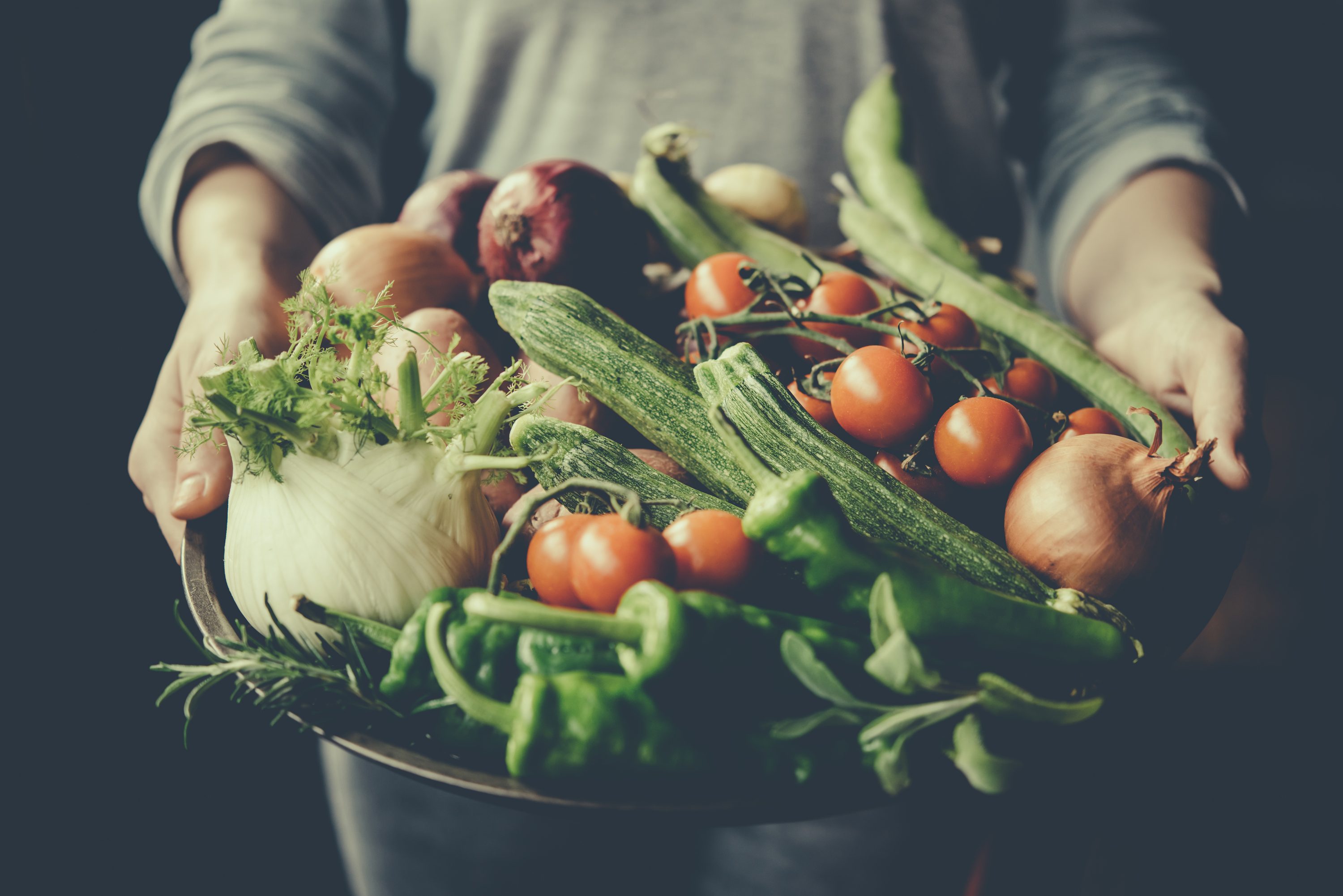
Dairy and your health
Consuming dairy products puts you at an increased risk of several serious health conditions. Dairy has been linked to higher risks of various cancers, especially to cancers of the breast and prostate. This is due to milk’s high levels of insulin-like growth factor.
We need calcium to keep our bones strong, however contrary to what we’re often told, milk is not the only nor the best source of calcium. Green leafy vegetables and fortified plant-based drinks are excellent cruelty-free sources of this necessary nutrient.
Photo: Yulia Grigoryeva / Shutterstock.com
International ACHIEVEMENTS
The dairy industry is a cruel and secretive industry. But with your support, Animal Equality is exposing the truth and making progress for cows and their calves.
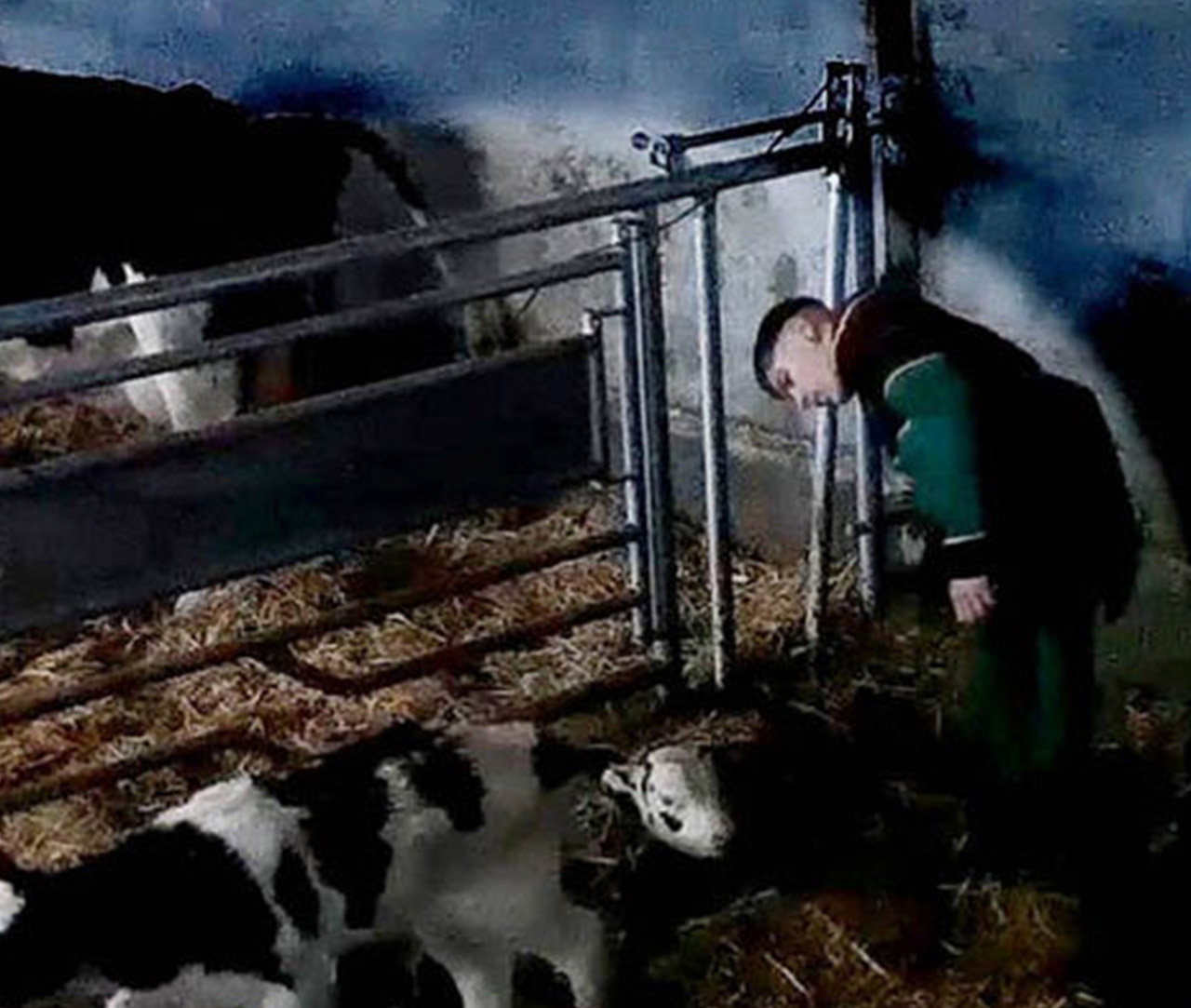
Farm Worker Convicted of Animal Cruelty
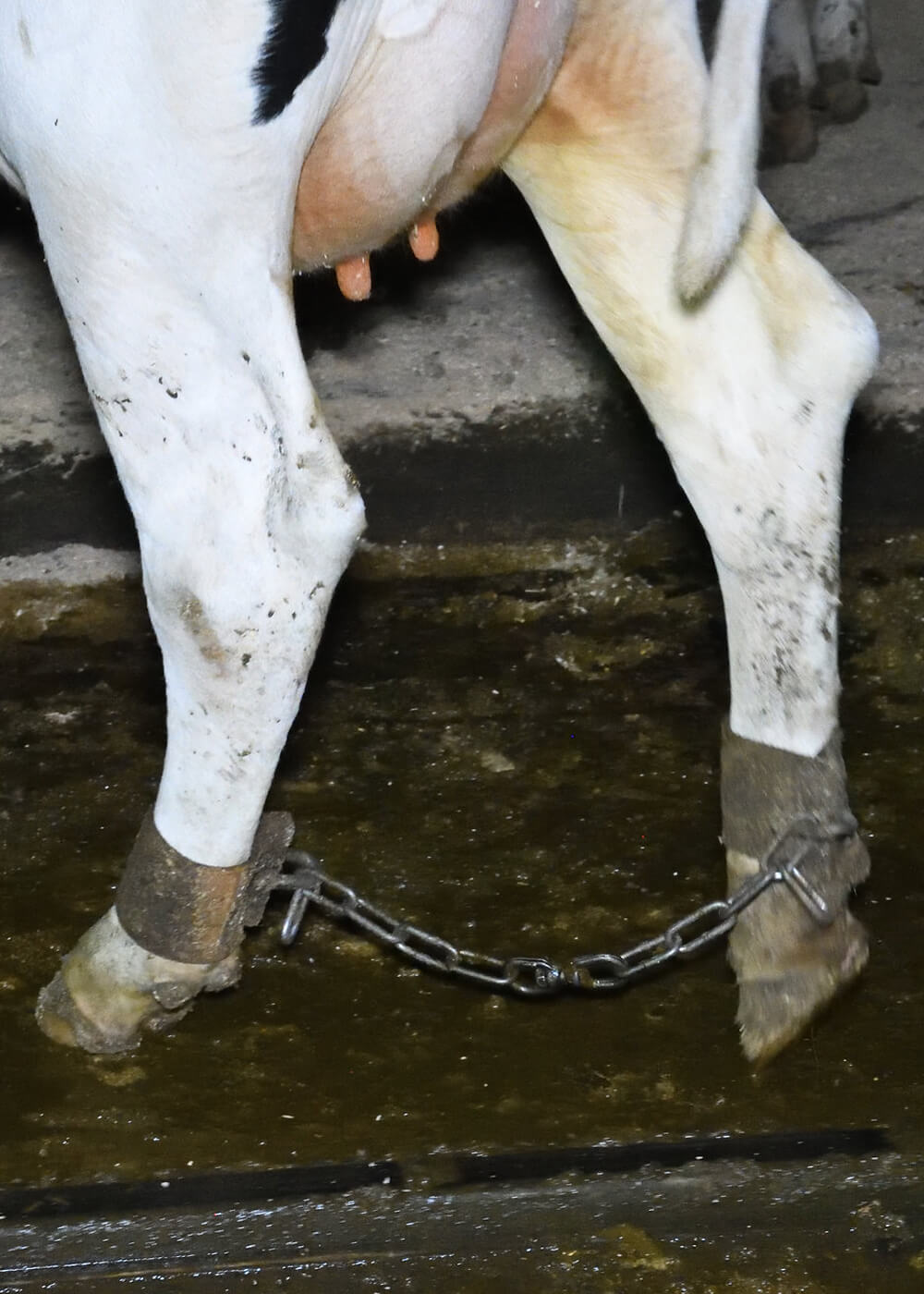
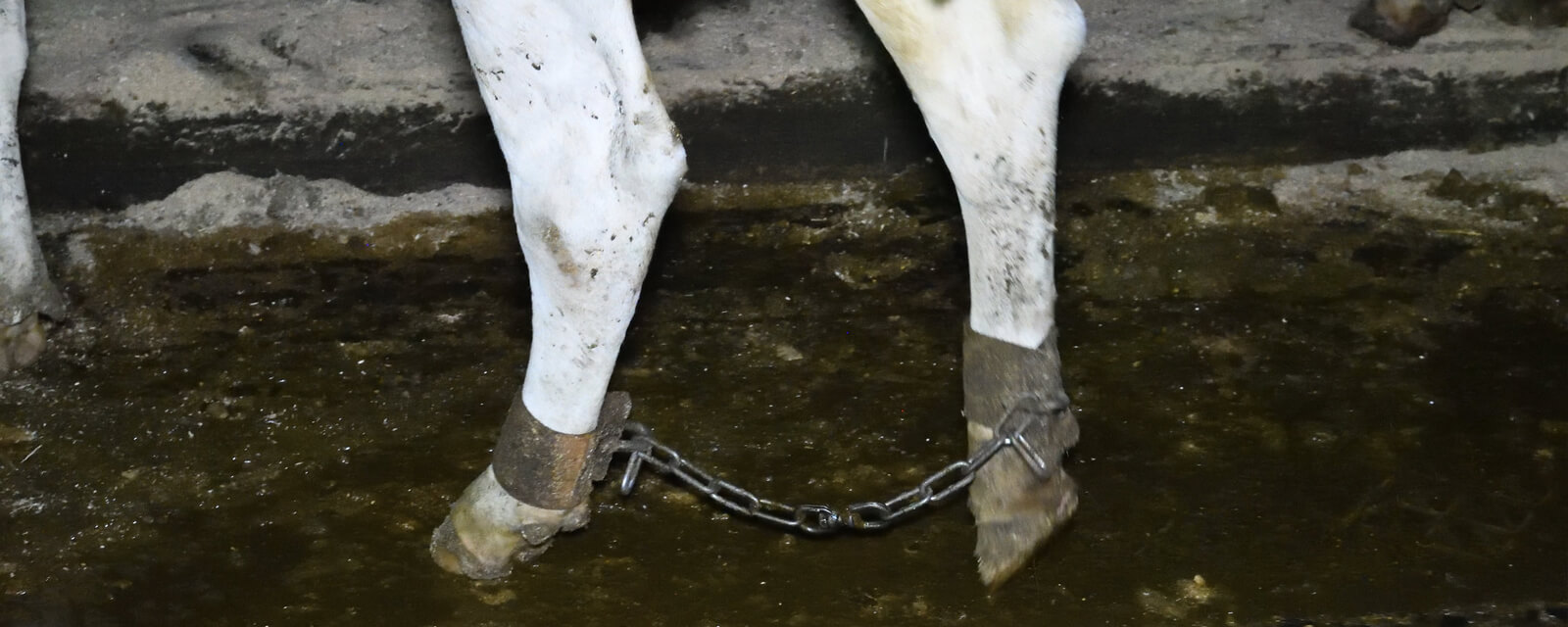
An Animal Equality investigation led to the conviction of a worker caught on camera abusing cows and their calves on a UK dairy farm that supplied Müller Milk, one of the main processors used by leading supermarket chains.
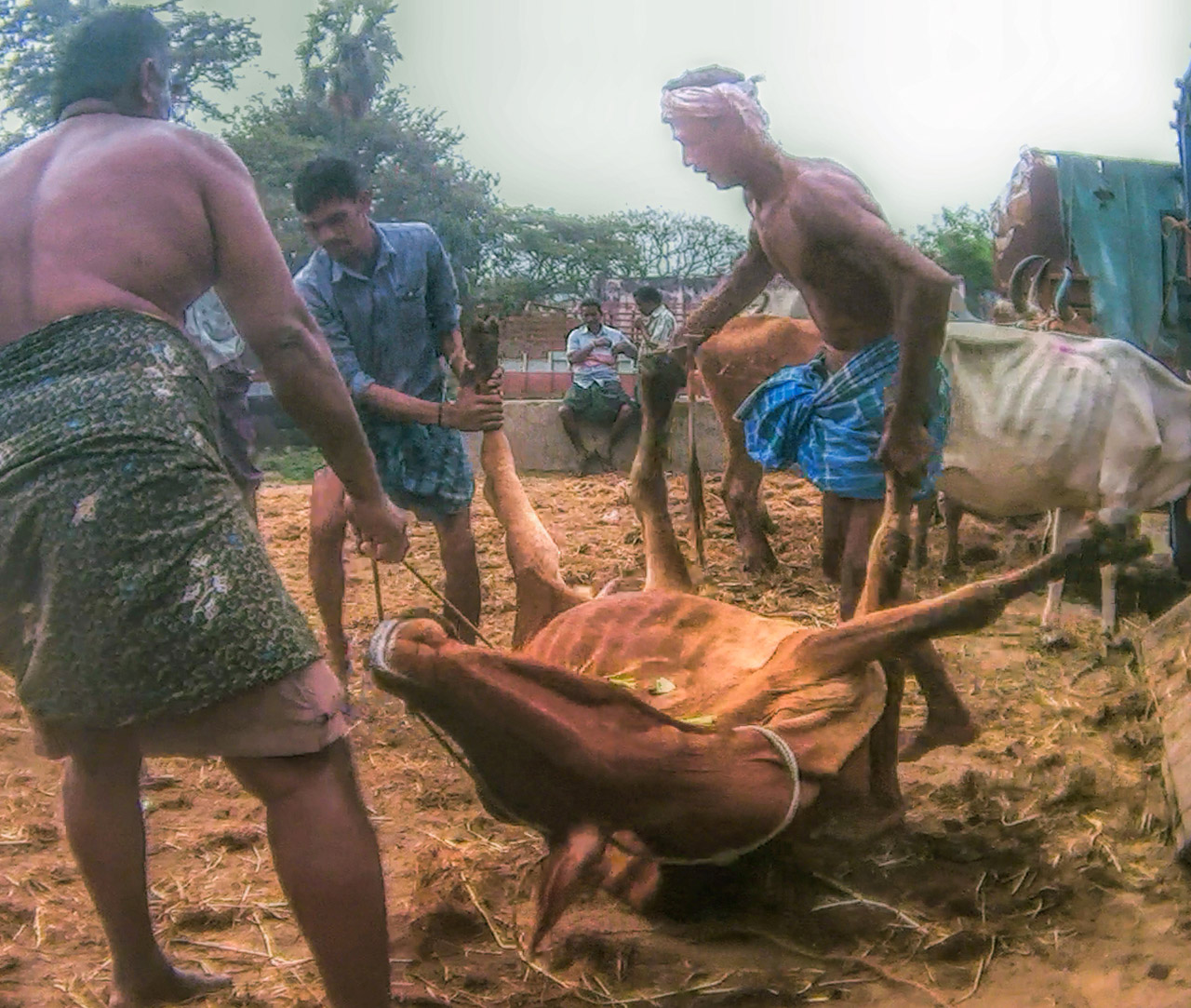
India Enacts Ban on Buffalo Markets
In a monumental decision, India announced new rules formed by an Animal Equality investigation stating that cows and buffaloes raised for milk could no longer be sold for slaughter at markets.
What can I do to help?
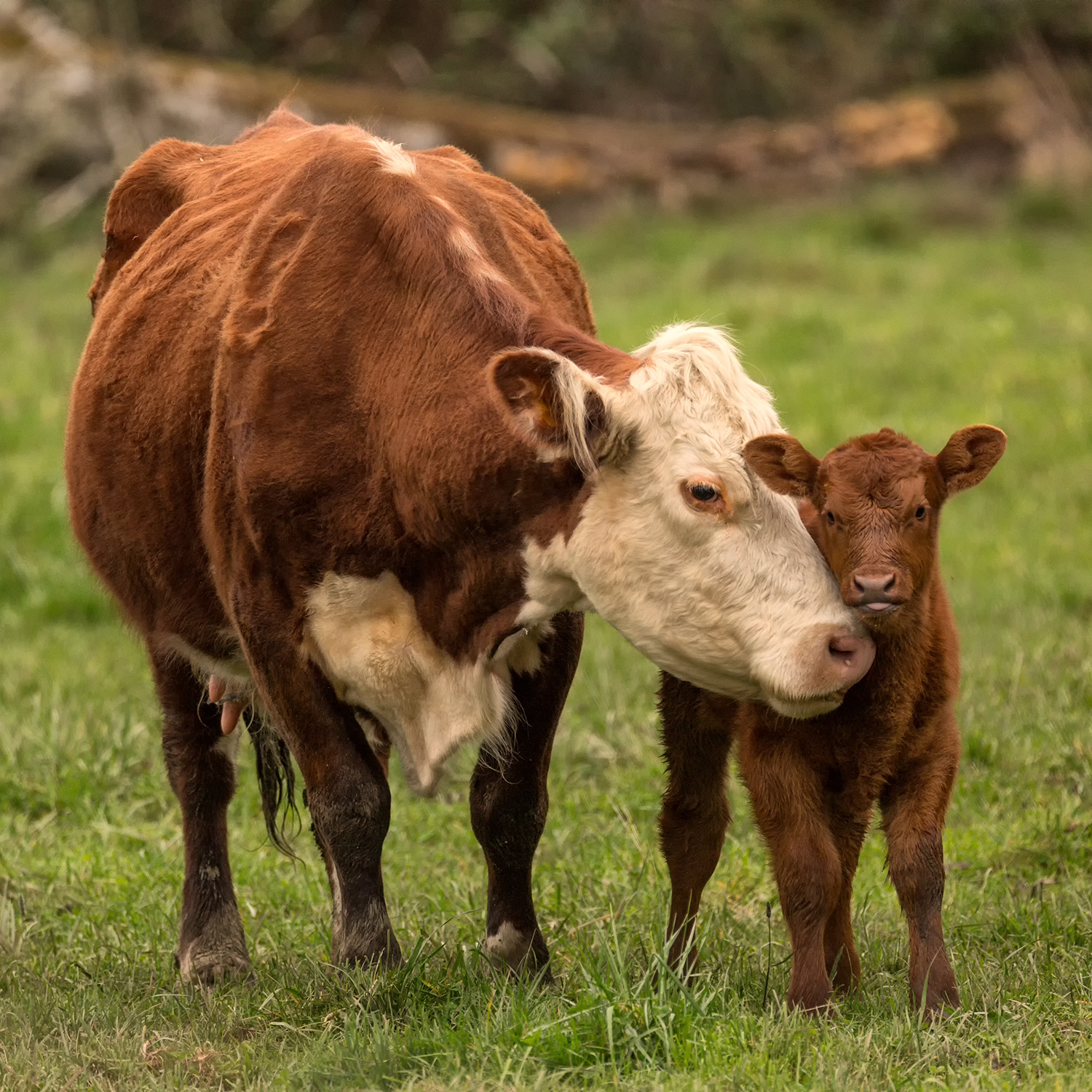
Protect Cows And Calves
Every day mother cows are separated from their newborn calves, just so milk can appear on the shelves of supermarkets. Protect cows by choosing plant-based dairy alternatives.
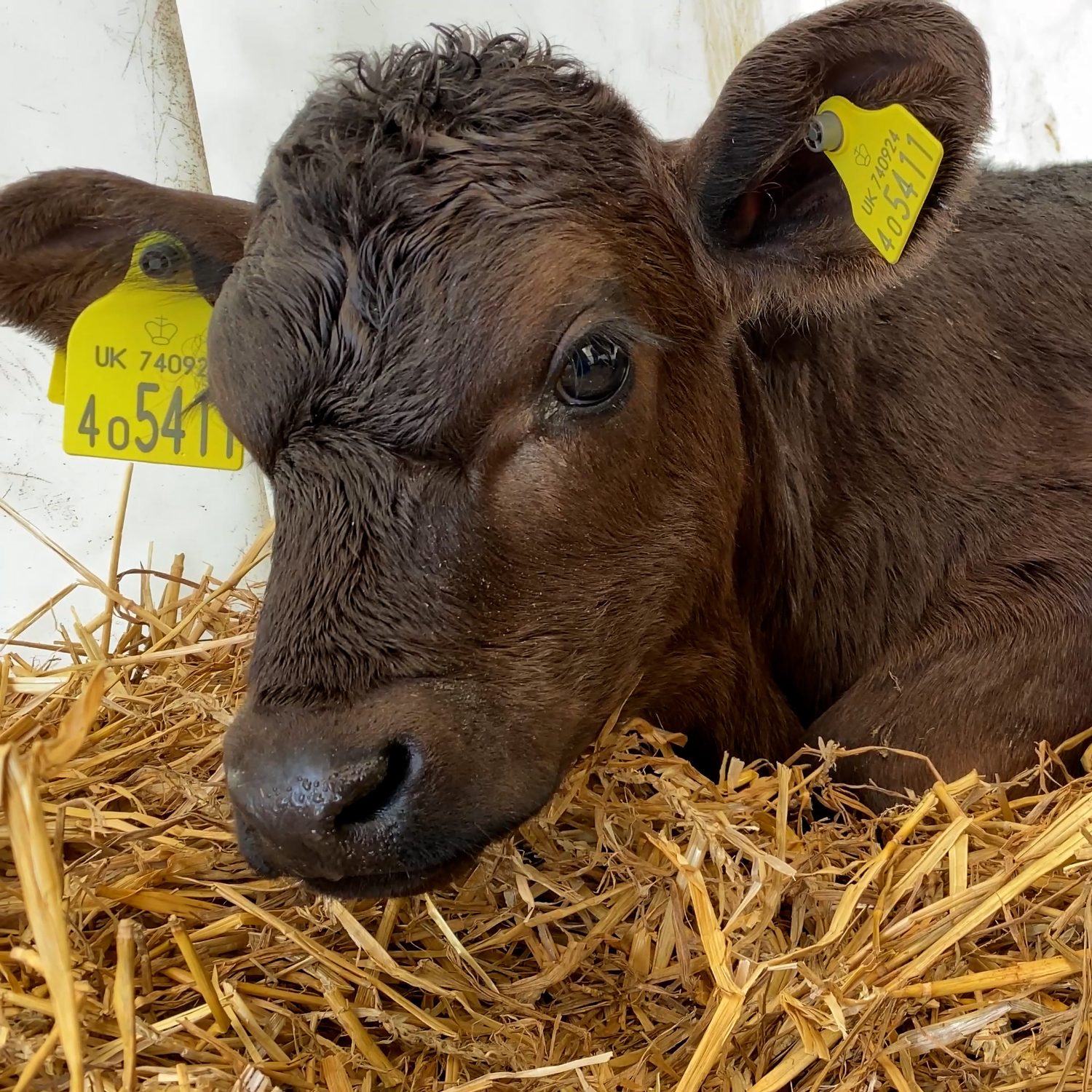
SIGN THE PETITION
Animal Equality has investigated over 40 farms and slaughterhouses in the UK since 2011 and we have found a shocking lack of regard for their welfare in every single facility. The UK is failing animals and it’s time for the Government to act. The public puts its faith in accreditation schemes, awards and authorities, but consumers are being conned. The truth is animal suffering takes place across all farms by this industry that consistently prioritises profits, and whether it’s a small-scale organic farm or an intensive one, animal suffering can never truly be avoided.
We are demanding that the Government puts in place specific, critical changes to the law to license farms, increase inspections and increase protections for farmed animals. We must ensure that existing animal welfare regulations are strongly enforced and that animal abusers are held accountable. Join our call by signing the petition today!